


















Restless Leg Syndrome (RLS), also known as Willis-Ekbom Disease, is a neurological condition characterized by an uncontrollable urge to move the legs, often accompanied by uncomfortable sensations such as tingling, crawling, aching, or itching. These symptoms typically worsen when the individual is at rest, particularly during the evening or nighttime, making it difficult to fall asleep or stay asleep. The result is often significant disruption in daily life, leading to chronic sleep deprivation, fatigue, and diminished quality of life. While there are various treatment options for RLS, including medications, lifestyle changes, and physical therapies, acupuncture has emerged as a promising alternative or complementary treatment.
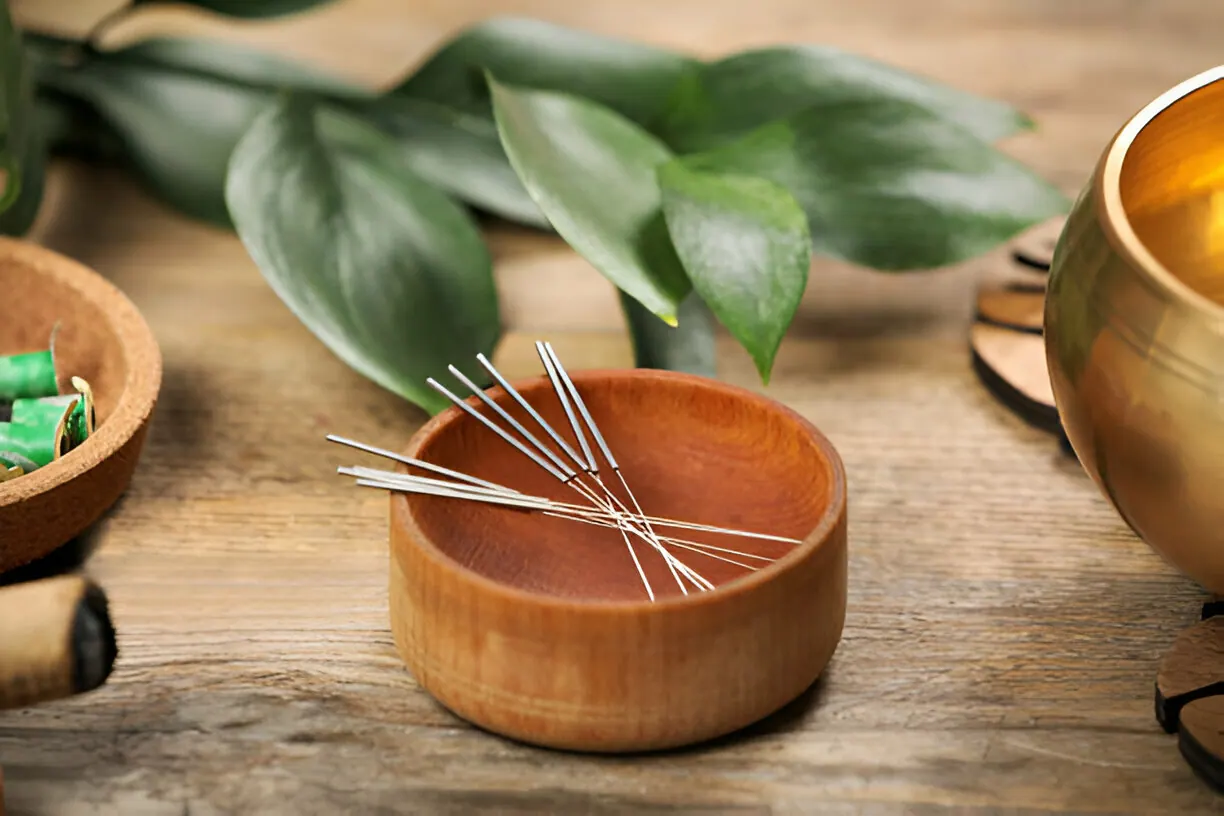
Acupuncture, a form of Traditional Chinese Medicine (TCM) that has been practiced for over 2,000 years, involves inserting very fine needles into specific points on the body to stimulate energy flow and promote healing. This holistic approach has gained attention for its potential in treating a wide range of health conditions, including RLS. In this article, we will explore how acupuncture works to alleviate the symptoms of Restless Leg Syndrome, the underlying mechanisms at play, and the available scientific evidence supporting its effectiveness.
Understanding Restless Leg SyndromeRLS is a condition that affects the nervous system, causing an overwhelming urge to move the legs, often accompanied by unpleasant sensations. These sensations typically occur in the lower legs but can also affect the thighs, feet, and arms. The symptoms of RLS can range from mild discomfort to intense pain, and they are often worse during periods of inactivity, such as when sitting or lying down.
The exact cause of RLS remains unclear, but it is believed to be linked to several factors, including:
- Dopamine Imbalance: Dopamine is a neurotransmitter that plays a crucial role in controlling movement. Research suggests that an imbalance in dopamine levels may contribute to the symptoms of RLS.
- Genetics: Family history and genetic predisposition can increase the likelihood of developing RLS.
- Iron Deficiency: Low iron levels in the brain have been implicated in some cases of RLS, as iron is essential for proper dopamine function.
- Chronic Conditions: RLS is often associated with other medical conditions such as diabetes, kidney disease, peripheral neuropathy, and pregnancy.
- Medications: Certain medications, especially antihistamines, antipsychotics, and antidepressants, can exacerbate RLS symptoms.
While RLS is not life-threatening, its symptoms can severely impact sleep quality and overall well-being, leading many sufferers to seek alternative treatments when conventional medications or lifestyle changes fail to provide adequate relief.
How Acupuncture Helps Relieve RLS Symptoms
Acupuncture has been used in Traditional Chinese Medicine for thousands of years to treat a wide range of health conditions. According to TCM, RLS may be the result of an imbalance in the body’s vital energy, known as qi (pronounced "chee"). The movement of qi is believed to flow through pathways, or meridians, that are connected to various organs and bodily functions. When qi is blocked or unbalanced, it can lead to symptoms like those seen in RLS.
Acupuncture aims to restore the smooth flow of qi, address underlying imbalances, and alleviate symptoms through the insertion of fine needles into specific acupuncture points on the body. For RLS, acupuncture may help in several ways:
1. Regulating Dopamine Levels
As mentioned earlier, an imbalance in dopamine levels is thought to play a significant role in the development of RLS. Dopamine is responsible for controlling movement, and a deficiency in this neurotransmitter can result in the abnormal sensations and urges to move the legs that characterize RLS.
Acupuncture may help regulate dopamine levels by stimulating the central nervous system. Studies have shown that acupuncture can influence neurotransmitter levels, including dopamine, serotonin, and endorphins. By restoring balance to the brain’s neurochemical pathways, acupuncture may help reduce the frequency and severity of RLS symptoms.
A study published in The Journal of Alternative and Complementary Medicine (2012) found that acupuncture was effective in increasing dopamine levels and improving the symptoms of RLS inpatients. The research suggested that acupuncture could help normalizedopaminergic activity, providing relief from both the sensory and motor components of RLS.
2. Enhancing Circulation and Reducing Muscle Tension
Poor circulation and muscle tension are often implicated in the discomfort associated with RLS. Acupuncture may improve blood flow and promote relaxation by stimulating specific points on the body, especially those related to the legs and lower back.
By increasing circulation, acupuncture may help deliver oxygen and nutrients to the muscles and tissues, which may reduce the discomfort and cramping associated with RLS. Furthermore, acupuncture has been shown to promote the release of endorphins—natural pain-relieving chemicals—that can help alleviate muscle tension and reduce the sensation of restlessness in the legs.
In a study published in BMC Complementary Medicine and Therapies (2016), researchers found that acupuncture was able to improve blood circulation in the legs, thereby relieving the discomfort and restlessness associated with RLS. The study participants who received acupuncture reported significant improvements in their symptoms, particularly a reduction in leg discomfort and an improvement in sleep quality.
3. Balancing the Autonomic Nervous System
The autonomic nervous system (ANS) controls involuntary bodily functions such as heart rate, digestion, and muscle contractions. An imbalance in the ANS, particularly heightened sympathetic (fight-or-flight) activity, can exacerbate RLS symptoms.
Acupuncture has been shown to modulate the ANS, promoting relaxation and reducing the excessive stimulation that can worsen RLS symptoms. By balancing the sympathetic and parasympathetic branches of the autonomic nervous system, acupuncture may help create a more relaxed state, which may ease the urge to move the legs and support sleep quality.
A study published in Evidence-Based Complementary and Alternative Medicine (2013) found that acupuncture could regulate the sympathetic nervous system, leading to an improvement in symptoms of RLS. The study noted that acupuncture helped patients experience a more restful sleep, as their legs felt more relaxed and less restless during the night.
4. Addressing Underlying Health Conditions
Many individuals with RLS have underlying conditions, such as iron deficiency, diabetes, or peripheral neuropathy, that contribute to or worsen their symptoms. Acupuncture may offer an adjunctive treatment for these conditions, helping to improve overall health and reduce RLS symptoms.
Iron deficiency should be assessed and treated by your physician; acupuncture does not replace iron therapy. Additionally, acupuncture may alleviate symptoms of peripheral neuropathy, such as tingling and pain in the legs, which often overlap with RLS symptoms.
Scientific Evidence Supporting Acupuncture for RLS
While acupuncture’s role in treating RLS is still being studied, the evidence so far is limited and mixed. Some small trials and studies have reported reduced RLS symptoms and better sleep quality with acupuncture, but larger, higher-quality studies are needed.
- A randomized controlled trial published in The Journal of Clinical Sleep Medicine (2017) found that acupuncture significantly improved sleep quality and reduced the severity of RLS symptoms in patients. The study concluded that acupuncture could be a useful adjunctive therapy for managing RLS, especially for individuals who do not respond well to pharmacological treatments.
- Another study published in The Journal of Alternative and Complementary Medicine (2012) showed that acupuncture could help balance dopamine levels and alleviate the sensory discomfort associated with RLS. Patients who received acupuncture reported a significant reduction in leg discomfort and a decrease in the urge to move their legs.
- A systematic review and meta-analysis published in Complementary Therapies in Clinical Practice (2015) analyzed several studies on acupuncture for RLS and found that acupuncture significantly improved RLS symptoms, particularly in terms of reducing leg discomfort, frequency of leg movements, and overall sleep quality.
Conclusion
Acupuncture offers a promising, non-invasive, and holistic approach to managing Restless Leg Syndrome. By regulating dopamine levels, improving circulation, balancing the autonomic nervous system, and addressing underlying health issues, acupuncture may help ease the discomfort and sleep disturbances associated with RLS.
While more research is needed to fully understand the mechanisms behind acupuncture’s effectiveness for RLS, the existing evidence suggests it may be a useful complementary option for some people. Results vary from person to person. For individuals seeking relief from RLS symptoms, acupuncture may provide a valuable complementary therapy, used alongside care from their physician.