




















Chronic back pain is a common and often debilitating condition that affects millions of people worldwide. It can stem from a variety of causes, including muscle strain, herniated discs, arthritis, or even poor posture. While conventional treatments like physical therapy, medication, and surgery are widely used, many people are seeking alternative therapies to manage their pain. One such therapy is acupuncture, an ancient practice rooted in Traditional Chinese Medicine (TCM) that has gained increasing attention in the West as a viable treatment for chronic pain, including back pain.
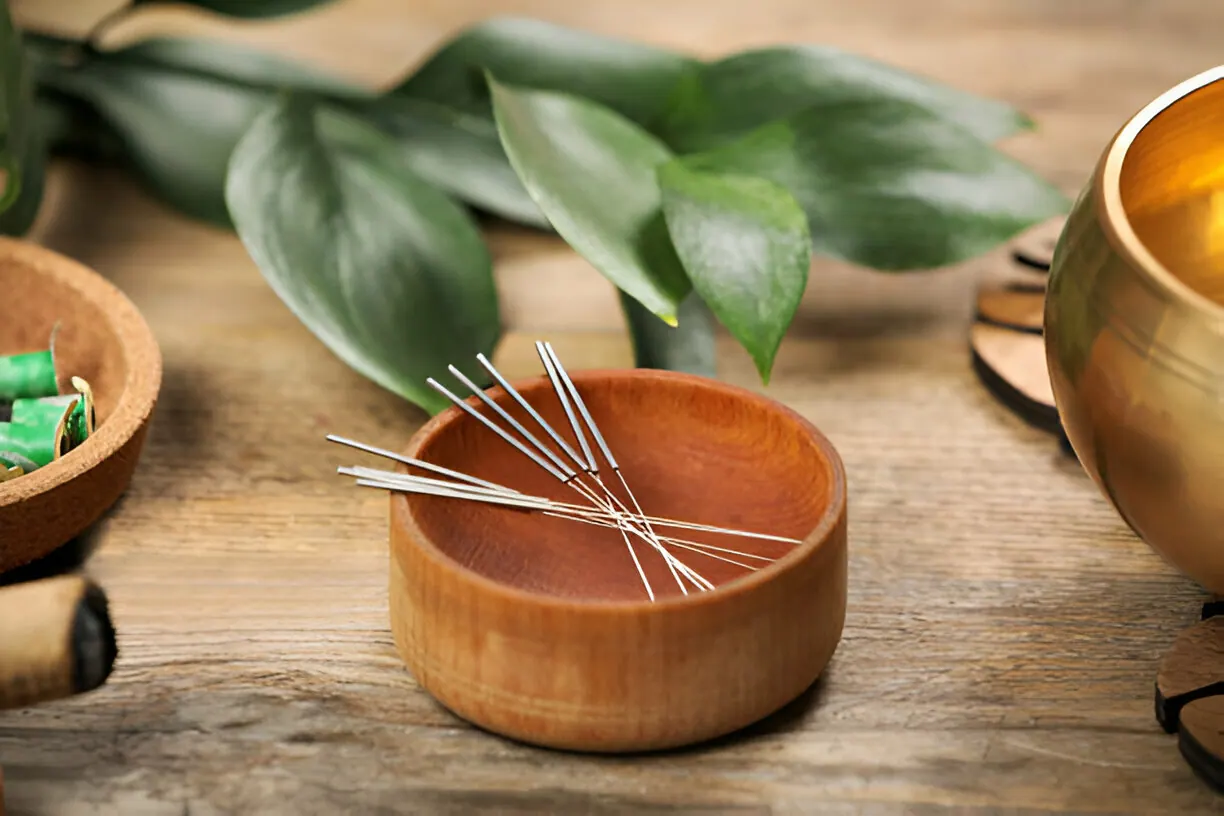
What Is Acupuncture?Acupuncture involves inserting thin, sterile needles into specific points on the body, known as acupoints. According to TCM, the body’s vital energy, or "Qi" (pronounced "chee"), flows through pathways called meridians. Pain and other health issues are believed to result from blockages or imbalances in this energy flow. By stimulating specific acupoints, acupuncture is thought to restore the balance of Qi and promote the body’s natural healing processes.
In Western medicine, acupuncture is believed to have several physiological effects. It may stimulate the release of endorphins (the body’s natural painkillers), reduce inflammation, and improve blood circulation. Acupuncture also appears to affect the nervous system, potentially influencing how the brain processes pain signals.
How Does Acupuncture Relieve Chronic Back Pain?Chronic back pain can be caused by a variety of underlying issues, from muscle tension to disc degeneration. Acupuncture may help with back pain through several proposed mechanisms:
1. Pain Reduction through Endorphin ReleaseOne of the primary ways acupuncture helps with pain management is through the release of endorphins, the body’s natural pain-relieving chemicals. Studies have shown that acupuncture stimulates the release of endorphins and other neurotransmitters, which can help block pain signals and create a sense of well-being. This is particularly important for people with chronic back pain, as endorphins may help reduce both the intensity and perception of pain over time.
2. Improved Blood Circulation and Oxygen FlowAcupuncture can improve circulation in the affected area, increasing blood flow and oxygen tothe tissues. This may support recovery of strained muscles and soft tissue and help ease tightness and discomfort.
3. Reduction of Muscle TensionChronic back pain often involves muscle tension and stiffness, which can make the pain feel worse. Acupuncture may help relax the muscles by stimulating the nervous system and promoting the release of tension in the soft tissues. This relaxation can lead to improved flexibility and a reduction in pain levels.
4. Modulation of the Nervous SystemAcupuncture is thought to influence how the brain and spinal cord process pain signals. The needles may trigger the release of neurotransmitters like serotonin, which can improve mood and reduce the perception of pain. By modulating the central nervous system’s response to pain, acupuncture may help lessen the intensity of chronic back pain and make it more manageable.
5. Anti-Inflammatory EffectsChronic back pain often involves inflammation, which can irritate nerves and contribute to ongoing discomfort. Research suggests that acupuncture can reduce the production of pro-inflammatory cytokines, which are proteins involved in the body’s inflammatory response. By decreasing inflammation in the back, acupuncture may provide relief from pain and improve overall mobility.
What Does the Research Say?Numerous studies have investigated the effectiveness of acupuncture for chronic back pain, and many have shown positive results. A review of studies published in the Archives of Internal Medicine found that acupuncture was more effective than no treatment or sham acupuncture in treating chronic pain conditions, including back pain. Another meta-analysis published in Pain concluded that acupuncture was associated with significant pain relief and functional improvement for individuals with chronic low back pain.
While acupuncture is generally considered safe when performed by trained practitioners, its effectiveness can vary from person to person. For some individuals, acupuncture may provide substantial relief, while others may experience only minimal benefits. This is why acupuncture is often used as part of a comprehensive pain management plan, alongside other treatments such as physical therapy, chiropractic care, or medication.
What to Expect During an Acupuncture SessionIf you’re considering acupuncture for chronic back pain, it’s important to understand what the process entails. During an acupuncture session, a licensed acupuncturist will assess your symptoms, medical history, and lifestyle to determine the most appropriate treatment plan. You will be asked to lie down in a comfortable position while the acupuncturist inserts very thin needles at specific points along your back, as well as potentially other areas of the body.
The needles used in acupuncture are much finer than those used for injections or blood draws, so the process is usually not painful. Some people may feel a mild tingling or pressure at the insertion sites, while others may not feel anything at all. The session typically lasts 20 to 40 minutes, and many people report feeling deeply relaxed during and after the treatment.
How Many Sessions Are Needed?The number of acupuncture sessions required for chronic back pain depends on the severity of the condition and the individual’s response to treatment. No specific number of sessions or time frame can be promised. Complex and chronic conditions do respond to treatment, but they take a long time to improve.