



















The Basics of AcupunctureAcupuncture has been practiced for over 2,000 years in China and other parts of Asia. The fundamental principle of acupuncture lies in the concept of qi (pronounced "chee"), which is believed to be the vital life force that flows through the body along pathways known as meridians. According to TCM, when the flow of qi is balanced and uninterrupted, the body remains healthy. However, blockages or imbalances in qi can lead to illness or dysfunction, including issues with fertility.
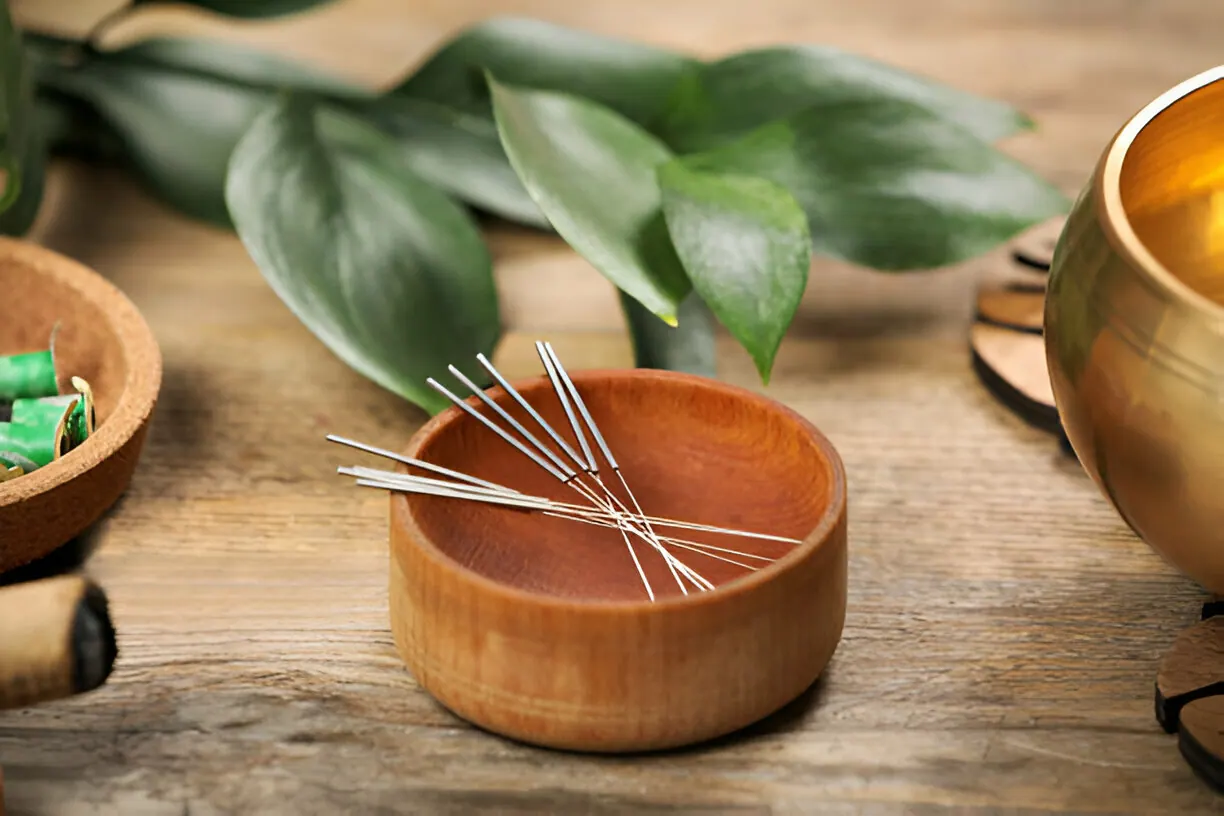
During an acupuncture session, a trained practitioner uses very fine, sterile needles to stimulate specific acupuncture points along the body’s meridians. These points correspond to different organs and bodily functions. In the case of infertility, acupuncture aims to balance the body’s energy, improve blood circulation, regulate hormone levels, and enhance overall reproductive health.
Acupuncture and Female InfertilityFor women, infertility can arise from a variety of factors, including hormonal imbalances, irregular ovulation, poor egg quality, blocked fallopian tubes, or endometriosis. Acupuncture is used as supportive care alongside fertility treatment, and may help in the following ways:
- Regulating the Menstrual Cycle and Ovulation One of the most common reasons for infertility in women is irregular ovulation, often caused by hormonal imbalances. Acupuncture is thought to support balance in the body’s hormonal system by stimulating the release of certain hormones, such as luteinizing hormone (LH) and follicle-stimulating hormone (FSH), both of which are critical for ovulation. In particular, acupuncture may help support the regularity of a woman’s menstrual cycle and promote timely ovulation.
- Improving Ovarian Function Acupuncture may help improve ovarian function by increasing blood flow to the ovaries, enhancing the nourishment and quality of eggs. This is particularly important for women of advanced maternal age, as the quality of eggs tends to decline with age. By stimulating circulation to the ovaries and reproductive organs, acupuncture is thought to support the reproductive organs; it cannot guarantee conception.
- Enhancing Blood Flow to the Uterus For successful conception, a woman’s uterus needs to have a healthy blood supply to support embryo implantation. Some studies suggest acupuncture may increase blood flow to the uterus and support the uterine lining, also known as the endometrium. A thicker endometrium provides a more favorable environment for embryo implantation, which is essential for a successful pregnancy.
- Balancing Hormones Acupuncture can influence the endocrine system, which governs the release of hormones involved in reproduction. For example, acupuncture may influence estrogen and progesterone levels, both of which are crucial for successful pregnancy. By balancing these hormones, acupuncture may support ovulation and menstrual regularity.
- Reducing Stress Stress is a well-documented factor that can impact fertility, particularly in women. Stress can interfere with hormonal balance, suppress ovulation, and even prevent implantation. Acupuncture may help reduce stress by promoting relaxation and regulating the body’s stress-response system. This effect can help create a more conducive environment for conception.
Acupuncture and Male InfertilityAlthough acupuncture is often thought of asa treatment for female infertility, it can also be beneficial for men struggling with fertility issues. Male infertility is often linked to low sperm count, poor sperm motility, or abnormal sperm morphology. Acupuncture may help address these issues in several ways:
- Improving Sperm Quality Some research suggests that acupuncture may support sperm count and motility. The enhanced blood flow helps nourish the reproductive organs, improving their function and sperm production. By stimulating acupuncture points that influence the kidneys and endocrine system, acupuncture may support testosterone levels and sperm health.
- Increasing Testosterone Levels Testosterone is a key hormone for male fertility. Low levels of testosterone can result in reduced sperm production and poor semen quality. Acupuncture is being studied for its possible effect on testosterone and sperm quality; evidence is still limited.
- Reducing Oxidative Stress Oxidative stress is a condition in which harmful free radicals damage cells, including sperm cells. Acupuncture may help reduce oxidative stress by enhancing blood circulation and improving the body’s ability to combat these free radicals. This can help protect sperm health and improve fertility.
- Enhancing Overall Reproductive Health Acupuncture has been shown to support overall health by strengthening the immune system, reducing inflammation, and improving circulation. These general health benefits can have a positive effect on male reproductive health.
Acupuncture in Assisted Reproductive Technologies (ART)Acupuncture has become increasingly popular as a complementary therapy for couples undergoing assisted reproductive technologies (ART) like in vitro fertilization (IVF) or intrauterineinsemination (IUI). Many couples seeking ART treatments use acupuncture as supportive care. Here’s how acupuncture can help during ART procedures:
- Acupuncture Alongside IVF Study results on acupuncture and IVF outcomes are mixed, and acupuncture has not been proven to raise IVF success rates. Many patients use it for relaxation and general support during treatment.
- Promoting Relaxation and Reducing Anxiety The emotional and physical stress associated with IVF can take a toll on a couple’s well-being. Acupuncture can help reduce stress and anxiety, creating a more relaxed state for the patient. This can be especially beneficial when preparing for IVF or other ART procedures, as stress can negatively impact fertility outcomes.
- Supporting the Body During Hormonal Treatment The hormonal treatments used in ART can disrupt the body’s natural rhythms. Acupuncture is used as supportive care during hormonal treatment. It does not replace the care of your fertility specialist.
ConclusionAcupuncture has shown promise as a complementary treatment for infertility, benefiting both men and women. While the exact mechanisms are still being studied, acupuncture is believed to work by improving circulation, balancing hormones, reducing stress, and supporting overall reproductive health. For women, acupuncture may support menstrual regularity and reproductive health. For men, it may support sperm health. Results vary, and no outcome can be promised.
While acupuncture can be a valuable adjunct therapy for individuals seeking to optimize their fertility potential. Couples undergoing assisted reproductive technologies (ART), such as IVF, may also benefit from acupuncture’s supportive role during treatment.