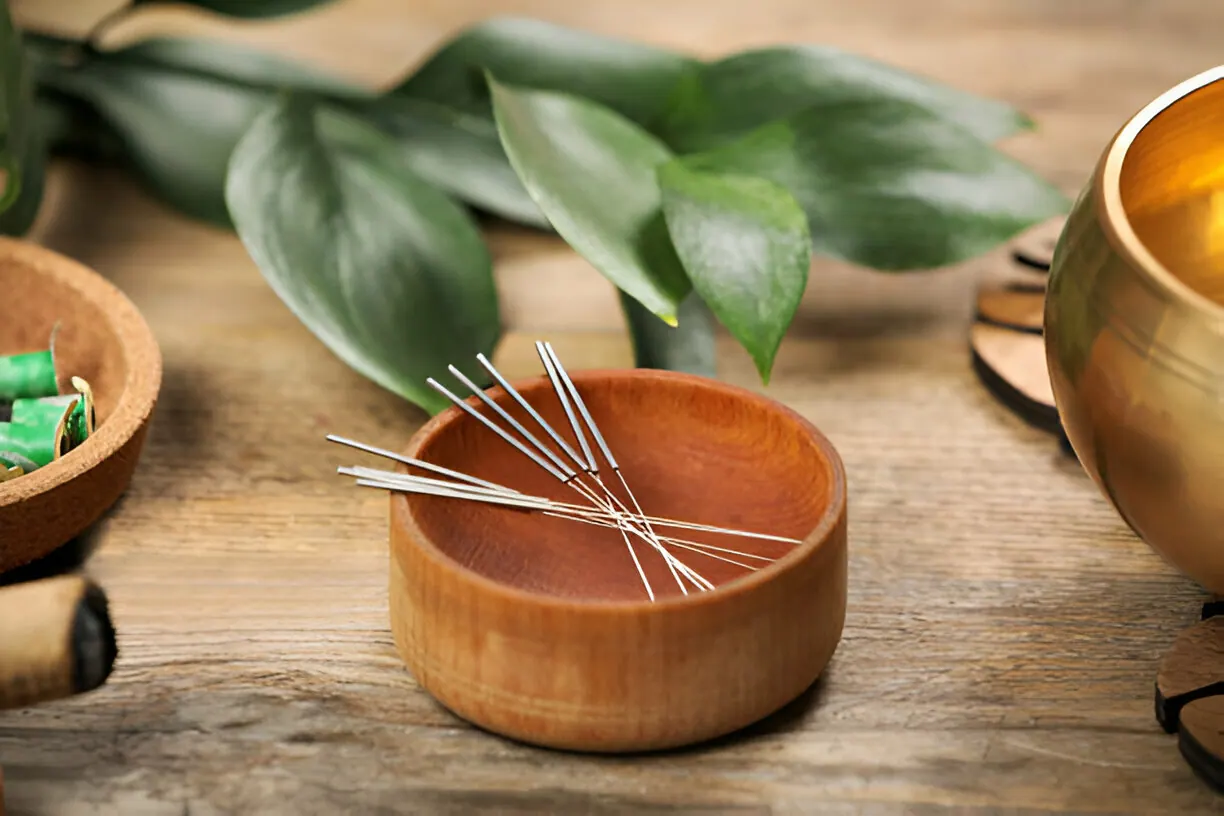












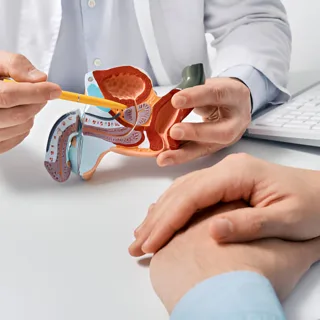







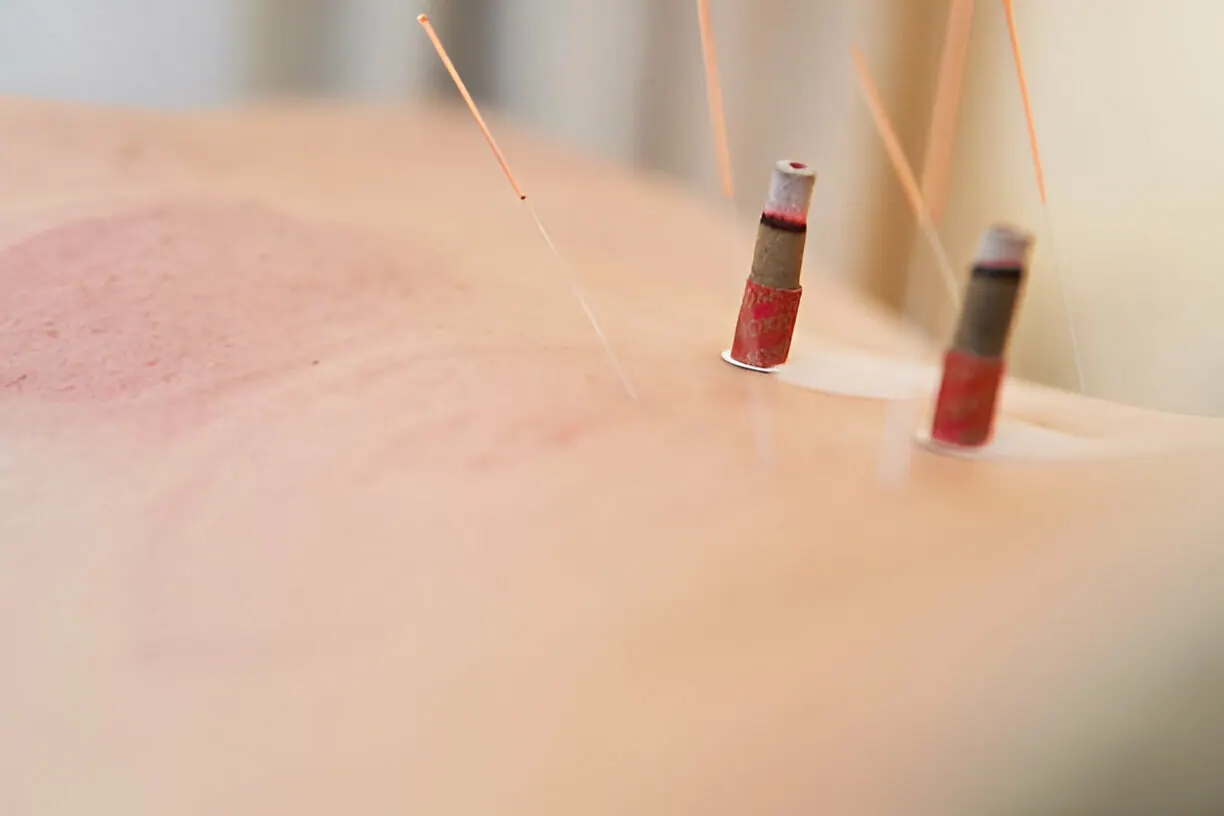
Acupuncture has been used for over two millennia as part of Traditional Chinese Medicine (TCM), but its scientific basis in the treatment of infertility is a relatively modern area of study. As more individuals turn to acupuncture to enhance fertility, researchers have explored how this ancient therapy might influence reproductive health through mechanisms that align with modern scientific understanding.
Though the mechanisms behind acupuncture are still not fully understood, studies have pointed to several plausible biological pathways through which acupuncture may influence fertility. Here are the primary scientific explanations based on research inthe fields of neurobiology, endocrinology, and physiology.
1. Acupuncture and Neurotransmitter RegulationOne of the most significant ways acupuncture is believed to impact fertility is through its effect on the nervous system. Acupuncture has been shown to activate the central nervous system, leading to the release of various neurotransmitters and neuropeptides that can regulate bodily functions, including those involved in reproduction.
- Endorphin Release: Acupuncture stimulates the release of endorphins, which are the body’s natural painkillers. Endorphins can promote relaxation and reduce stress, but they may also play a role in regulating the hypothalamic-pituitary-gonadal axis (HPG axis), which controls the release of hormones involved in reproduction.
- Modulation of the Sympathetic and Parasympathetic Nervous Systems: Acupuncture has been found to influence the balance between the sympathetic and parasympathetic nervous systems. The sympathetic nervous system (which is associated with the "fight or flight" response) can negatively affect reproductive health by increasing cortisol levels and interfering with hormone regulation. Acupuncture has been shown to reduce sympathetic activity and increase parasympathetic activity, which helps reduce stress and improve overall hormonal balance.
- Dopamine and Serotonin: Studies have suggested that acupuncture can influence the levels of neurotransmitters such as dopamine and serotonin, which are involved in mood regulation and hormonal release. Lower stress and anxiety may be helpful during fertility treatment.
2. Improved Blood Flow and CirculationImproving blood circulation is one of the most widely accepted mechanisms by which acupuncture influences fertility. The insertion of needles into specific acupuncture points stimulates local blood flow and enhances circulation throughout the body.
- Ovarian and Uterine Blood Flow: Research indicates that acupuncture can increase blood flow to the reproductive organs, including the ovaries and the uterus. This enhanced blood circulation is thought to improve the health of ovarian follicles and eggs in women, as well as the thickness of the uterine lining (endometrium), which is essential for embryo implantation.
- Microcirculation in the Ovaries and Uterus: Acupuncture has been shown to increase microcirculation in both the ovaries and the uterus. For example, a study published in Human Reproduction (2008) showed that acupuncture increased uterine blood flow in women undergoing in vitro fertilization (IVF), which is believed to improve the chances of embryo implantation.
- Effect on Fallopian Tubes: Acupuncture is sometimes used with the aim of supporting pelvic circulation. Acupuncture cannot open blocked or damaged fallopian tubes; these need evaluation and treatment by a fertility specialist.
3. Regulation of Hormonal BalanceAcupuncture’s effects on hormonal regulation are central to its role in treating infertility. Hormonal imbalances are a common cause of infertility in both men and women, and acupuncture may help support balance through several proposed mechanisms:
- Hypothalamic-Pituitary-Gonadal (HPG) Axis Regulation: The HPG axis plays a crucial role in regulating the release of reproductive hormones such as follicle-stimulating hormone (FSH), luteinizing hormone (LH), estrogen, and progesterone. Research suggests that acupuncture can regulate the HPG axis by influencing the release of these hormones. This is especially important for women with conditions like polycystic ovary syndrome (PCOS), where the hormonal feedback loop is disrupted, leading to irregular ovulation and infertility.some text
- For example, a study published in Fertility and Sterility (2008) found that acupuncture could increase LH and FSH levels in women with PCOS, which helps promote ovulation and improve fertility outcomes.
- Testosterone and Sperm Quality in Men: In men, some studies suggest acupuncture may support testosterone production and sperm quality. A study in Andrologia (2011) demonstrated that acupuncture could increase sperm count, motility, and morphology by stimulating the hypothalamus and pituitary gland, leading to improved testicular function and increased testosterone production.
4. Reduction of Stress and Cortisol LevelsStress is a well-established factor that can negatively affect fertility in both men and women. High levels of stress, often manifested as elevated cortisol (the "stress hormone"), can disrupt the hormonal balance required for normal ovulation, sperm production, and implantation.
- Cortisol Reduction: Some studies suggest acupuncture may lower cortisol levels, which may lessen the impact of stress. This is important because elevated cortisol can inhibit the production of reproductive hormones and suppress ovulation in women, as well as sperm production in men.
- Psychological Benefits: The relaxation and psychological benefits of acupuncture may also play a role in improving fertility outcomes. Studies have shown that acupuncture can promote a sense of well-being, reduce anxiety, and improve mood, which in turn can create a more favorable environment for conception.
5. Immune System ModulationAcupuncture is also thought to have a modulating effect on the immune system. In some cases of infertility, immune system imbalances can play a role in miscarriage or failure to conceive. For example, elevated levels of certain immune cells (like natural killer cells) can interfere with embryo implantation.
- Natural Killer Cells: Research has suggested that acupuncture can help modulate the immune response by lowering the number of elevated natural killer cells, which are thought to contribute to recurrent miscarriages and implantation failure. A study published in Fertility and Sterility (2010) found that acupuncture may help regulate the immune system and improve IVF success rates in women with elevated natural killer cells.
- Improvement in Sperm Health: By promoting a healthy immune response, acupuncture may also help reduce oxidative stress in sperm cells, thus improving sperm health and motility.
6. Acupuncture Alongside IVFFor couples undergoing IVF, acupuncture is used as supportive care. Numerous studies have explored the role of acupuncture in conjunction with ART, and the results are mixed; it has not been proven to raise IVF success rates.
- Endometrial Thickness and Uterine Blood Flow: As mentioned earlier, acupuncture may increase uterine blood flow, which may support endometrial thickness and promote better embryo implantation during IVF. A study published in The Journal of Alternative and Complementary Medicine (2011) reported that women who received acupuncture before and after embryo transfer had higher implantation rates and better pregnancy outcomes compared to those who did not receive acupuncture.
- Improved Ovarian Function and Egg Quality: Acupuncture is thought to improve ovarian function by increasing blood flow to the ovaries, which could enhance egg quality and promote ovulation. This is particularly beneficial for women undergoing IVF, as egg quality is a key factor in the success of the procedure.
- Reducing Ovarian Hyperstimulation Syndrome (OHSS): Some research has suggested that acupuncture can reduce the incidence of ovarian hyperstimulation syndrome (OHSS), a common complication of IVF where the ovaries become enlarged and fluid accumulates in the abdomen. Acupuncture’s ability to regulate the nervous system and reduce inflammation may help mitigate the risk of OHSS.
ConclusionWhile the scientific mechanisms behind acupuncture are still being explored, the available research suggests several pathways through which acupuncture can influence fertility. Acupuncture may influence hormonal regulation, blood flow to the reproductive organs and stress. It cannot guarantee conception, whether naturally or through assisted reproductive technologies like IVF, and results vary from person to person.
For couples struggling with infertility, acupuncture may offer a valuable complementary treatment alongside conventional medical therapies.