




















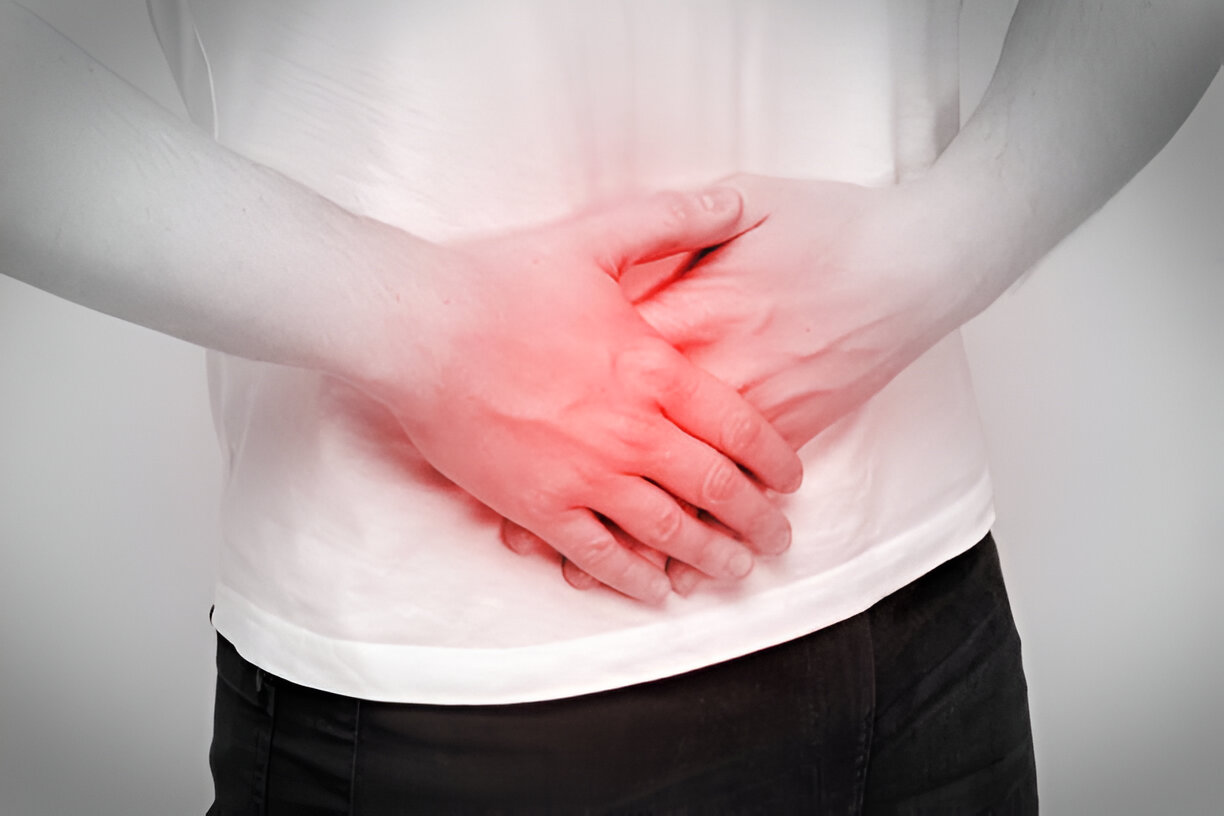
- What it is: Nausea is the unpleasant urge to vomit, and vomiting is the forceful emptying of the stomach. Both are symptoms, not diseases.
- Common symptoms: Queasiness, retching, vomiting, loss of appetite, and sometimes dizziness, sweating, or signs of dehydration.
- Conventional care: Finding and treating the cause, replacing fluids and electrolytes, small frequent meals, and antiemetic medicines when needed.
- How integrative care fits: Acupuncture or acupressure at the wrist point, and ginger, are the most studied supportive options. They are used alongside medical care.
- Evidence at a glance: Moderate for acupuncture, mainly in chemotherapy, surgery and pregnancy settings and often low-certainty; limited for ginger and other herbs; none for Ayurveda.
What is Nausea and Vomiting?
Nausea and vomiting are common symptoms that can lower quality of life and sometimes signal a serious illness.[1] Acute nausea and vomiting last up to 7 days, and chronic nausea and vomiting last 4 weeks or longer.[1]
Common symptoms
The symptom is nausea (a queasy feeling), vomiting, or both. People may also lose their appetite or feel dizzy, and repeated vomiting can lead to dehydration and electrolyte problems.[1]
Causes and risk factors
Common causes of short-term symptoms include gastroenteritis and other viral illnesses, food poisoning, migraine, vestibular (inner ear) problems, early pregnancy and side effects of medicines.[1] Chronic symptoms have a wide range of causes, including digestive, infectious, metabolic, neurologic and psychiatric conditions, as well as medicines and toxins.[1]
Chemotherapy and surgery with general anesthesia are well-known triggers. Up to 80 percent of patients can be affected by nausea and vomiting after surgery.[2]
How it is diagnosed and treated conventionally
A careful history is the main tool: when symptoms started, how long they last, what makes them better or worse, medicines and substances used, and any warning symptoms.[1] Without alarm symptoms, short-term nausea and vomiting are usually treated symptomatically without extensive testing.[1]
Treatment includes replacing fluids and electrolytes, small frequent meals and avoiding trigger foods. Antiemetic medicines reduce acute symptoms well, but chronic symptoms are often harder to treat, and these medicines should be used for the shortest time needed.[1] Chronic unexplained nausea and vomiting can seriously affect quality of life, and drugs may not control it in some patients.[3]
Why Nausea and Vomiting calls for a whole-person approach
Nausea and vomiting are not one condition. The same symptom can come from the stomach, the brain, the inner ear, a medicine or a metabolic problem, so the cause needs to be identified by a physician first.[1]
Supportive care is aimed at how a person feels while the cause is found and treated. It does not replace that evaluation.
Finding the underlying cause
Gastrointestinal, infectious, metabolic, neurologic and psychiatric disorders and medications can all cause chronic symptoms.[1] This is why new or persistent symptoms need medical assessment before any complementary approach is tried.
Hydration and eating
Replacing fluids and electrolytes and eating small, frequent meals are core parts of care.[1] Anything that makes it harder to keep food or fluids down matters most.
Treatment-related nausea
Cancer treatment and surgery are common triggers. About 80 percent of patients may be affected by nausea or vomiting after anesthesia and surgery.[2] Prevention with antiemetic drugs is the standard approach, and high-certainty evidence supports several of them.[2]
Quality of life when symptoms last
Long-lasting nausea can reduce quality of life and lead to repeated hospital visits, particularly when no cause is found.[3] Complementary options are part of the broader set of approaches reviewed for these patients.[3]
Acupuncture for Nausea and Vomiting
What the research shows
Acupuncture has been studied mostly for nausea and vomiting from specific causes, and the evidence is moderate at best, with low-certainty results. A meta-analysis of 38 trials (2,503 patients) of chemotherapy-induced nausea and vomiting found that acupuncture added to usual care may increase complete control of acute and delayed vomiting, but the certainty was low or very low and there was no effect on other outcomes.[4] A separate analysis of 11 English-language trials from a systematic review of acupuncture for chemotherapy-induced nausea found that selective outcome reporting was a concern.[5] Even so, a guideline from the Society for Integrative Oncology recommended acupressure and acupuncture for reducing chemotherapy-induced nausea and vomiting in breast cancer care.[6]
For nausea after surgery, a 2024 systematic review of nonpharmacological nursing interventions found that acupuncture, ginger and aromatherapy reduced nausea and vomiting.[7] In a 2026 trial of 232 women in China with moderate to severe nausea after surgery, a wristband delivering electrical stimulation at the PC6 point relieved symptoms in more patients at 2 hours than an intravenous antinausea drug (78% vs 55%).[8] That device is not needle acupuncture, and the trial needs repeating elsewhere.
In pregnancy, a 2024 meta-analysis of 24 trials (2,390 women) found acupuncture plus medication worked better than medication alone, with evidence of moderate to very low certainty.[9] Nausea in pregnancy should be managed with your obstetric care provider.
We found no strong trials of acupuncture for chronic nausea of unknown cause.
How acupuncture may work
The research on mechanisms in nausea is limited, and an explanation is not yet established. The studies above most often used the Neiguan (PC6) point on the inner forearm, along with ST36 and CV12 in pregnancy trials.[9] Why stimulating this point might reduce nausea remains uncertain.
What treatment involves
Treatment uses fine, sterile, single-use needles, often at the inner forearm, the lower leg and the abdomen, usually left in place for about 20 to 40 minutes. Acupressure at the wrist is also used. A course is several visits, with reassessment along the way.
Serious problems from acupuncture are rare. In prospective studies, about 9 in 100 patients had a minor reaction such as bleeding, soreness or redness at a needle site, and serious events occurred in about 1 in 10,000 patients.[10] Tell the practitioner first if you have a bleeding disorder, take blood thinners, are pregnant, or have a pacemaker (relevant to electroacupuncture). If you are vomiting repeatedly or cannot keep fluids down, you need medical care before acupuncture.
Ayurvedic medicine for Nausea and Vomiting
The Ayurvedic view
Ayurveda describes nausea and vomiting as Chhardi, a disturbance linked to aggravated doshas and weak digestive fire (agni). In this traditional framework the dosha involved guides treatment. These are traditional categories, not biomedical diagnoses.
Therapies that may be used
Care is chosen for the individual and traditionally combines:
- Light, easy-to-digest meals at regular times, with warm fluids
- Ginger, cardamom and other kitchen spices traditionally used for digestion
- Calming routines and steady sleep hours
Panchakarma procedures, especially those that cause vomiting or purging, are not appropriate for people who are already vomiting, during pregnancy, acute illness or frailty, or before a physician has found the cause of the symptoms.
What the research shows
We found no clinical trials of Ayurvedic treatment for nausea and vomiting as a condition. Ginger is used in Ayurveda and has been studied in chemotherapy, surgery and pregnancy,[11] and that evidence is described in the herbal section below, including 35 trials in chemotherapy-induced nausea.[12] Without trials, the effects of other Ayurvedic therapies on this symptom are unknown.
Herbal medicine for Nausea and Vomiting
Herbs and formulas that have been studied
Ginger (Zingiber officinale) is the most studied herb, as capsules or as ginger-partitioned moxibustion, which is moxibustion applied over a slice of ginger.[12] Research has looked at ginger in chemotherapy, surgery and pregnancy.[11]
What the research shows
The evidence is limited and mixed. An overview of 15 meta-analyses concluded that ginger may help chemotherapy-induced and postoperative nausea and vomiting and shows promise in pregnancy, but judged the methodological quality of those meta-analyses as low or critically low.[11] A meta-analysis of 35 trials found that ginger capsules with standard antiemetics reduced severe acute nausea and high-grade vomiting, and that ginger-partitioned moxibustion reduced vomiting, with calls for more rigorous trials.[12] A different review of 23 trials found no significant difference in most nausea and vomiting outcomes, apart from fewer episodes of acute vomiting at low daily amounts taken for several days.[13]
In pregnancy, a meta-analysis found that ginger beat placebo on effective rate and nausea scores but not on vomiting, with low-quality evidence.[14]
Safety and herb-drug interactions
Ginger has not been linked to liver injury in the LiverTox database, but case reports describe bleeding when warfarin was combined with several herbs, including ginger, garlic, ginkgo, dan shen and ginseng.[15, 16] Anyone taking blood thinners or aspirin needs a practitioner's review before using ginger or other herbs.[17]
Some herbal products can injure the liver, and about one fifth of Ayurvedic products bought online contained detectable lead, mercury or arsenic.[18, 19] Herbs should come from tested sources and be prescribed individually. Tell us if you are pregnant or breastfeeding, or are having chemotherapy or surgery, since herbs and supplements should be cleared with your treating team. A herbal preparation applied to the skin (transdermal medication therapy) is also available, but we are not aware of trials of it for nausea.
Translating traditional medicine into modern biological language
The links drawn here are interpretation, not equivalence. Chinese medicine describes nausea and vomiting as stomach qi rising when it should descend, and the PC6 point is traditionally used to bring it down. The studies cited here did not establish how stimulating this point might affect nausea, so no biological equivalent can be claimed.[9]
Ayurveda's disturbed doshas and weak agni describe queasiness and poor digestion. No study has shown that a dosha corresponds to a specific mechanism of nausea.
How this care fits with your medical care
Complementary care for nausea and vomiting works alongside, not in place of, your physician's evaluation and treatment. Keep taking prescribed antinausea medicines as directed, and do not stop or change them without your prescriber. We do not diagnose the cause of nausea and vomiting.
If your nausea is from chemotherapy, surgery or pregnancy, we ask that your oncology, surgical or obstetric team knows you are receiving complementary care. Please bring your diagnosis, the medicines and supplements you take, and any recent test results.
When to seek urgent medical care
Nausea and vomiting can indicate a life-threatening illness.[1]
- Vomiting blood or material that looks like coffee grounds
- Severe or sudden abdominal pain, or a rigid abdomen
- Signs of dehydration, such as very dark urine, dizziness on standing, or being unable to keep fluids down
- Severe headache, stiff neck, confusion or a change in vision with vomiting
- Chest pain, or vomiting after a head injury
- Vomiting that lasts more than a day or two, or ongoing symptoms with unintended weight loss
If any of these occur, call 911 or go to the nearest emergency department.
Frequently asked questions
What are nausea and vomiting?
Nausea is the unpleasant feeling of needing to vomit, and vomiting is the forceful emptying of the stomach. They are symptoms, not diseases. Short-term causes include stomach viruses, food poisoning, migraine, medicines and early pregnancy. Symptoms lasting four weeks or more have a wide range of possible causes and need medical evaluation.
Can acupuncture help with nausea and vomiting?
It may help in some settings. Reviews of chemotherapy-related and pregnancy-related nausea suggest benefit when acupuncture is added to usual care, but the certainty is mostly low. We found no strong trials for chronic nausea of unknown cause. Acupuncture is used alongside medical evaluation and treatment, not in place of it.
Does ginger or herbal medicine work for nausea?
Ginger is the most studied herb, and some reviews suggest it may reduce nausea and vomiting from chemotherapy, surgery and pregnancy. Review quality is low, and one review found little overall effect. Ginger can add to the bleeding effect of blood thinners in case reports, so check with your physician and with us first.
Can I stop my antinausea medicine if I have acupuncture or herbs?
No. Do not stop or change prescribed medicines without talking to your prescriber. Complementary care is an addition. Vomiting that will not stop, blood in vomit, signs of dehydration or severe pain need emergency or prompt medical care.
How soon might I notice a change?
It differs from person to person and no result can be promised. We reassess after a short course of visits to see whether the treatment is helping.
Does insurance cover acupuncture for nausea and vomiting?
It may. Netra Integrative Health Clinic is in-network with Blue Cross Blue Shield, Cigna and UnitedHealthcare. Other plans may be covered through out-of-network benefits, and we offer a free benefits check. HSA and FSA cards and CareCredit are also accepted. Call (908) 402-7301 to ask about your plan.
References
- Johns T, Lawrence E. Evaluation and Treatment of Nausea and Vomiting in Adults. Am Fam Physician. 2024;109(5):417-425. PMID 38804756. American Family Physician review of nausea and vomiting in adults: causes, evaluation by history, alarm symptoms, fluids, small meals and antiemetic drugs.
- Weibel S, Rücker G, Eberhart LH, et al. Drugs for preventing postoperative nausea and vomiting in adults after general anaesthesia: a network meta-analysis. Cochrane Database Syst Rev. 2020;10(10):CD012859. PMID 33075160. Cochrane network meta-analysis of 585 trials of drugs preventing postoperative nausea and vomiting, finding high-certainty benefit for several antiemetics.
- Heckroth M, Luckett RT, Moser C, et al. Nausea and Vomiting in 2021: A Comprehensive Update. J Clin Gastroenterol. 2021;55(4):279-299. PMID 33471485. Comprehensive review of nausea and vomiting covering pathophysiology, drug and device treatments, and complementary medicine, noting that chronic unexplained cases are hard to control.
- Yan Y, López-Alcalde J, Zhang L, et al. Acupuncture for the prevention of chemotherapy-induced nausea and vomiting in cancer patients: A systematic review and meta-analysis. Cancer Med. 2023;12(11):12504-12517. PMID 37226372. Meta-analysis of 38 trials (2,503 patients) finding acupuncture plus usual care may improve control of chemotherapy-induced vomiting, with low or very low certainty.
- Penati R, Vecchio R, Gatto R, et al. High Outcome-Reporting Bias in Randomized-Controlled Trials of Acupuncture for Cancer Chemotherapy-Induced Nausea and Vomiting: A Systematic Review and Meta-Epidemiological Study. Curr Oncol. 2025;32(8). PMID 40862831. Meta-epidemiological study of acupuncture trials for chemotherapy-induced nausea and vomiting finding high risk of selective outcome-reporting bias.
- Greenlee H, DuPont-Reyes MJ, Balneaves LG, et al. Clinical practice guidelines on the evidence-based use of integrative therapies during and after breast cancer treatment. CA Cancer J Clin. 2017;67(3):194-232. PMID 28436999. Society for Integrative Oncology guideline recommending acupressure and acupuncture for chemotherapy-induced nausea and vomiting during breast cancer care.
- Arslan HN, Çelik SŞ. Nonpharmacological Nursing Interventions in Postoperative Nausea and Vomiting: A Systematic Review. J Perianesth Nurs. 2024;39(1):142-154. PMID 37865902. Systematic review of 58 studies of nonpharmacological nursing interventions finding acupuncture, ginger and aromatherapy reduced postoperative nausea and vomiting.
- Zheng DY, Ding P, Gong M, et al. Transcutaneous Electrical Acupoint Stimulation vs Metoclopramide for Moderate to Severe Postoperative Nausea and Vomiting: A Randomized Clinical Trial. JAMA Surg. 2026;161(3):268-273. PMID 41604189. 2026 randomized trial of 232 women finding wearable electrical stimulation at PC6 outperformed metoclopramide for moderate to severe postoperative nausea and vomiting.
- Jin B, Han Y, Jiang Y, et al. Acupuncture for nausea and vomiting during pregnancy: A systematic review and meta-analysis. Complement Ther Med. 2024;85:103079. PMID 39214380. Meta-analysis of 24 trials (2,390 women) of acupuncture for nausea and vomiting of pregnancy, with evidence of moderate to very low certainty.
- Bäumler P, Zhang W, Stübinger T, et al. Acupuncture-related adverse events: systematic review and meta-analyses of prospective clinical studies. BMJ Open. 2021;11(9):e045961. PMID 34489268. Systematic review of 21 prospective studies finding minor acupuncture reactions in about 9 percent of patients and serious events in about 1 per 10,000.
- Li Z, Wu J, Song J, et al. Ginger for treating nausea and vomiting: an overview of systematic reviews and meta-analyses. Int J Food Sci Nutr. 2024;75(2):122-133. PMID 38072785. Overview of 15 meta-analyses of ginger for nausea and vomiting, supporting benefit in several settings but rating the reviews as low or critically low quality.
- Lin CY, Huang SH, Tam KW, et al. Efficacy and Safety of Ginger on Chemotherapy-Induced Nausea and Vomiting: A Systematic Review and Meta-analysis of Randomized Controlled Trials. Cancer Nurs. 2025;48(6):455-466. PMID 38625733. Meta-analysis of 35 trials of ginger capsules and ginger-partitioned moxibustion for chemotherapy-induced nausea and vomiting.
- Choi J, Lee J, Kim K, et al. Effects of Ginger Intake on Chemotherapy-Induced Nausea and Vomiting: A Systematic Review of Randomized Clinical Trials. Nutrients. 2022;14(23). PMID 36501010. Review of 23 randomized trials of ginger for chemotherapy-induced nausea and vomiting, mostly showing no significant difference apart from acute vomiting at low daily amounts.
- Tan MY, Shu SH, Liu RL, et al. The efficacy and safety of complementary and alternative medicine in the treatment of nausea and vomiting during pregnancy: A systematic review and meta-analysis. Front Public Health. 2023;11:1108756. PMID 36969661. Meta-analysis of 33 trials of complementary therapies for nausea and vomiting of pregnancy, with mostly low-quality evidence for ginger, acupuncture and acupressure.
- Ginger. LiverTox: Clinical and Research Information on Drug-Induced Liver Injury. 2024. PMID 38381909. LiverTox entry on ginger, used mainly for nausea, noting it has not been linked to liver injury.
- Milić N, Milosević N, Golocorbin Kon S, et al. Warfarin interactions with medicinal herbs. Nat Prod Commun. 2014;9(8):1211-6. PMID 25233607. Review of reported interactions between warfarin and medicinal herbs, including bleeding events with ginger, garlic, ginkgo, dan shen and ginseng.
- Hu Z, Yang X, Ho PC, et al. Herb-drug interactions: a literature review. Drugs. 2005;65(9):1239-82. PMID 15916450. Literature review of herb-drug interactions, including bleeding with warfarin or aspirin combined with dan shen, garlic and ginkgo.
- Navarro VJ, Khan I, Björnsson E, et al. Liver injury from herbal and dietary supplements. Hepatology. 2017;65(1):363-373. PMID 27677775. Hepatology review of liver injury from herbal and dietary supplements, which account for about 20 percent of hepatotoxicity cases in the US.
- Saper RB, Phillips RS, Sehgal A, et al. Lead, mercury, and arsenic in US- and Indian-manufactured Ayurvedic medicines sold via the Internet. JAMA. 2008;300(8):915-23. PMID 18728265. JAMA study finding detectable lead, mercury or arsenic in about one fifth of Ayurvedic medicines purchased over the Internet.
This page is for general education and is not medical advice. Acupuncture, Ayurvedic medicine and herbal medicine are complementary therapies; they do not replace diagnosis or treatment by your physician. Do not stop or change prescribed treatment without talking to your prescriber. In an emergency call 911.